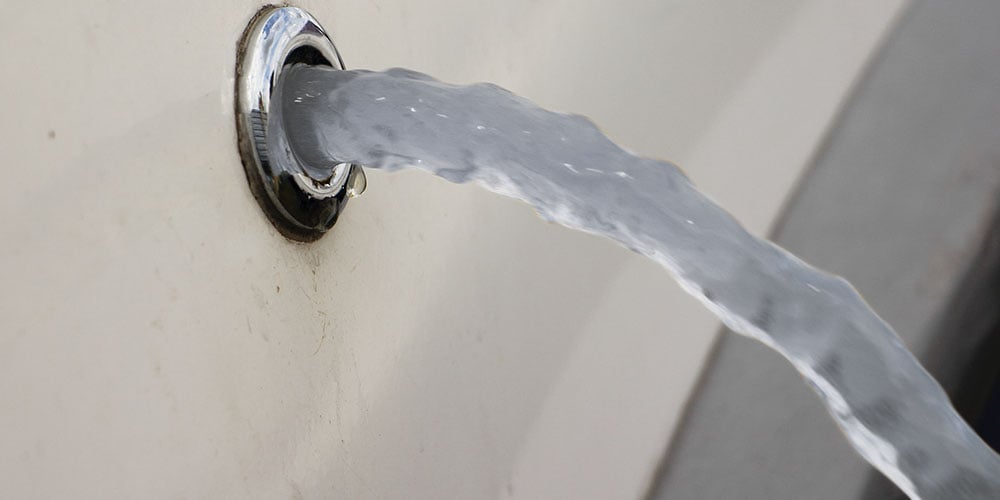
Marine pumps perform some of the most important jobs onboard, from removing water from the bilge and supplying freshwater to transferring fuel and powering washdown systems. Choosing the right pump starts with understanding how different pump designs work and which applications they are best suited for.
Each marine pump type offers unique advantages in flow rate, pressure, self-priming capability and durability. Whether you're installing a bilge pump, freshwater pressure system, baitwell pump, washdown pump or fuel transfer pump, selecting the proper design improves reliability and performance.
- Marine Pump Types
- Flexible Impeller Pumps
- Rigid Vane Pumps
- Centrifugal Pumps
- Diaphragm Pumps
- Piston Pumps
- How to Choose the Right Pump
- Common Marine Pump Applications
- Frequently Asked Questions
- Pump Shopping Links
- Need More Help?
Understanding Marine Pump Types
Marine pumps move liquids throughout a boat's systems. Depending on the design, a pump may prioritize high flow rates, high pressure, self-priming capability, dry-run protection or chemical resistance.
The five primary marine pump designs are:
- Flexible Impeller Pumps
- Rigid Vane Pumps
- Centrifugal Pumps
- Diaphragm Pumps
- Piston Pumps
Understanding the strengths and limitations of each design helps ensure you select the appropriate pump for your application.
Flexible Impeller Pumps
Flexible impeller pumps use a rotating rubber impeller inside an eccentric housing to create suction and move fluid. As the impeller blades bend against an offset cam, fluid is drawn into the pump and pushed toward the discharge port.
Advantages
- Self-priming capability
- Compact design
- Can handle some viscous liquids, depending on pump design
- Can be mounted in various orientations
- Some models can operate in either direction; check the manufacturer's specifications
- Provide consistent positive-displacement flow at a given pump speed
Limitations
- Can be damaged if run dry
- Sensitive to debris and solids
- Requires impeller maintenance
Common Applications
- Engine cooling water systems
- General fluid transfer
- Oil transfer
- Freshwater transfer
- Marine utility pumps
Rigid Vane Pumps
Rigid vane pumps function similarly to impeller pumps but utilize spring-loaded rigid vanes instead of flexible blades. As the rotor turns, the vanes create suction and move liquid through the pump.
Advantages
- Excellent durability
- Many models provide self-priming operation
- Some models can operate in either direction; check the manufacturer's specifications
- Easy maintenance
- Suitable for fuel transfer
Limitations
- Flow rate depends on pump design and model
Common Applications
- Gasoline transfer
- Diesel fuel transfer
- Fuel system service
- Tank transfer operations
Centrifugal Pumps
Centrifugal pumps use a spinning impeller to generate velocity and move water through the pump. These pumps are commonly used in bilge systems, livewells and circulation systems because they provide high flow rates.
Advantages
- High-volume pumping capability
- Compact and lightweight
- Simple design
- Low maintenance requirements
- Many models are well suited to continuous operation
Limitations
- Generally not self-priming
- Flow decreases as head pressure increases
- Should not run dry for extended periods
Common Applications
- Bilge pumps
- Baitwell pumps
- Livewell systems
- Shower sump systems
- Water circulation systems
Diaphragm Pumps
Diaphragm pumps use a flexible diaphragm and check valves to create pressure and move fluid. Many models are self-priming, and some are designed to tolerate dry running.
Advantages
- Self-priming capability on many models
- Some models can tolerate dry running
- Well suited to pressure applications
- Available in a range of flow and pressure capacities
Limitations
- Flow rate depends on pump design and model
- May require strainers to prevent debris damage
Common Applications
- Freshwater pressure systems
- Washdown pumps
- Deck wash systems
- Marine heads
- High-pressure water delivery
Piston Pumps
Piston pumps move liquid by increasing and decreasing chamber volume using a reciprocating piston. Check valves control the flow direction and allow these pumps to generate substantial pressure.
Advantages
- Some models can tolerate dry running; check the manufacturer's specifications
- Produces high pressure
- Chemical-resistant designs available
- Serviceable and repairable
- Many models provide self-priming operation
Limitations
- Valves can clog from debris
- May draw higher electrical current
- More moving parts than some alternatives
Common Applications
- Manual bilge pumps
- Marine toilets
- Pressurized water systems
- Hand-operated pumps
How to Choose the Right Marine Pump
Self-Priming Capability
If the pump must pull liquid from below its mounting location, choose a pump specifically designed for self-priming, such as many diaphragm, piston, flexible-impeller and vane pumps. Conventional centrifugal pumps generally are not self-priming and must be supplied with liquid to operate properly. Some centrifugal models are designed to be self-priming.
Dry-Run Protection
Applications where the pump may occasionally run without fluid may benefit from a diaphragm or piston pump specifically designed to tolerate dry running. Flexible impeller and vane pumps can suffer damage if operated dry.
Flow Rate Requirements
Marine pumps are typically rated in gallons per minute (GPM) or gallons per hour (GPH). Keep in mind that real-world flow rates decrease as hose length, fittings and vertical lift increase.
Pressure Requirements
Freshwater systems, washdown pumps and spray systems require a pump capable of providing the necessary pressure and flow. Diaphragm pumps are commonly used for these applications, while piston pumps may also be suitable depending on the system requirements.
Fluid Compatibility
Not every pump is suitable for fuel, oil, chemicals or wastewater. Always verify compatibility with the liquid being transferred.
Common Marine Pump Applications
| Application | Common Pump Types |
|---|---|
| Bilge Pumping | Centrifugal; some manual pumps use positive-displacement designs |
| Freshwater Pressure System | Diaphragm |
| Washdown System | Diaphragm or other pressure pump |
| Livewell/Baitwell | Centrifugal |
| Fuel Transfer | Vane, gear or other pump specifically rated for the fuel |
| Engine Cooling Water | Flexible impeller or centrifugal, depending on system design |
| Marine Head | Pump type varies by toilet/system design |
Frequently Asked Questions About Marine Pumps
What is the most common pump used in a boat bilge?
Most automatic and non-automatic electric bilge pumps use centrifugal pump designs because they provide high flow rates and reliable operation.
Which marine pumps are self-priming?
Many flexible-impeller, vane, diaphragm and piston pumps are self-priming, while conventional centrifugal pumps generally are not. Always check the specifications for the particular pump.
Can marine pumps run dry?
Many diaphragm pumps and some piston pumps can tolerate dry running, while flexible-impeller pumps generally require fluid for lubrication and cooling. Vane pumps may also be damaged by dry operation. Check the manufacturer's specifications.
What is the best pump for a freshwater system?
Diaphragm pumps are commonly used for marine freshwater pressure systems because many models are self-priming, can produce the pressure required for onboard water systems and can tolerate some dry running. Check the manufacturer's specifications.
How do I determine the right pump size?
Consider required flow rate, discharge pressure, hose length, vertical lift, electrical requirements and fluid type when selecting a pump.
Pump Shopping Links
- Shop Bilge Pumps>>
- Shop Washdown Pumps>>
- Shop General Purpose Pumps>>
- Shop Macerator Pumps>>
- Shop Freshwater Pumps>>
- Shop Toilet Pumps>>
Need More Help?
Whether you're replacing a bilge pump, upgrading a washdown system or installing a freshwater pressure pump, West Marine offers pumps, plumbing fittings, strainers and accessories to keep your boat operating reliably. Our experts can help you choose the right pump for your application and vessel.